


Cigar Defects Guide: What to Check Before Lighting

Cigars are handmade products made from natural tobacco leaves, so small differences in appearance are normal. However, some defects can affect the draw, burn, flavor, and overall experience. Knowing what to look for helps you understand whether a cigar is still in good condition or if it may need extra attention.
Common Cigar Defects and What They Mean
-
Plume vs. Mold
Plume appears as a fine, crystal-like powder on the wrapper and is usually linked to aged tobacco oils. Mold like fuzzy, uneven, or patchy, and may appear white, green, blue and gray.
If the mark wipes off easily and looks powdery, it may be plume. If it looks fuzzy or appears ionide the food of the cigar, it is likely mold.
Verdict: Plume is a natural aging characteristic and can be a sign of proper storage. Mold. however, is a serious defect and should not be ignored.
-
Soft Spots
Soft spots are areas that feel looser than the rest of the cigar. This can happen when the tobacco is not packed evenly.
Soft spots may cause the cigar to burn too quickly or unevenly in certain areas.
Verdict: Minor soft spots are often manageable, but they may affect the burn if they are very noticeable.
-
Hard Knots
Hard knots are firm lumps inside the cigar. They are usually caused by tobacco being packed too tightly in one section.
This can make the drawing feel tight and may cause uneven burning.
Verdict: The cigar can still perform well if the draw remains comfortable.
-
Split Wrapper
A split wrapper is when the outer leaf cracks or tears. This can happen from dryness, sudden humidity changes, or rough handling.
Small cracks may not ruin the cigar, but larger splits can affect the structure and burn.
Verdict: Minor wrapper cracks are still manageable. Larger damage should be handled with care.
-
Canoeing
Canoeing happens when one side of the cigar burns faster than the other. This creates an uneven burn line.
It can be caused by uneven lighting, wind, humidity issues, or construction problems.
Verdict: Minor canoeing can often be corrected during the smoke.
-
Tunneling
Tunneling happens when the inside of the cigar burns faster than the wrapper. This may cause the cigar to taste hotter or go out more often.
It is often linked to dryness, poor storage, or uneven construction.
Verdict: Tunneling may affect the smoking experience, but proper storage and lighting can help reduce the chance of it happening.
-
Overfilled Cigar
An overfilled cigar has too much tobacco packed inside. This usually makes the cigar feel very firm.
The main issue is a tight draw, making airflow difficult.
Verdict: A firm cigar is not always a problem, as long as the draw remains smooth and comfortable.
-
Wrinkled Wrapper
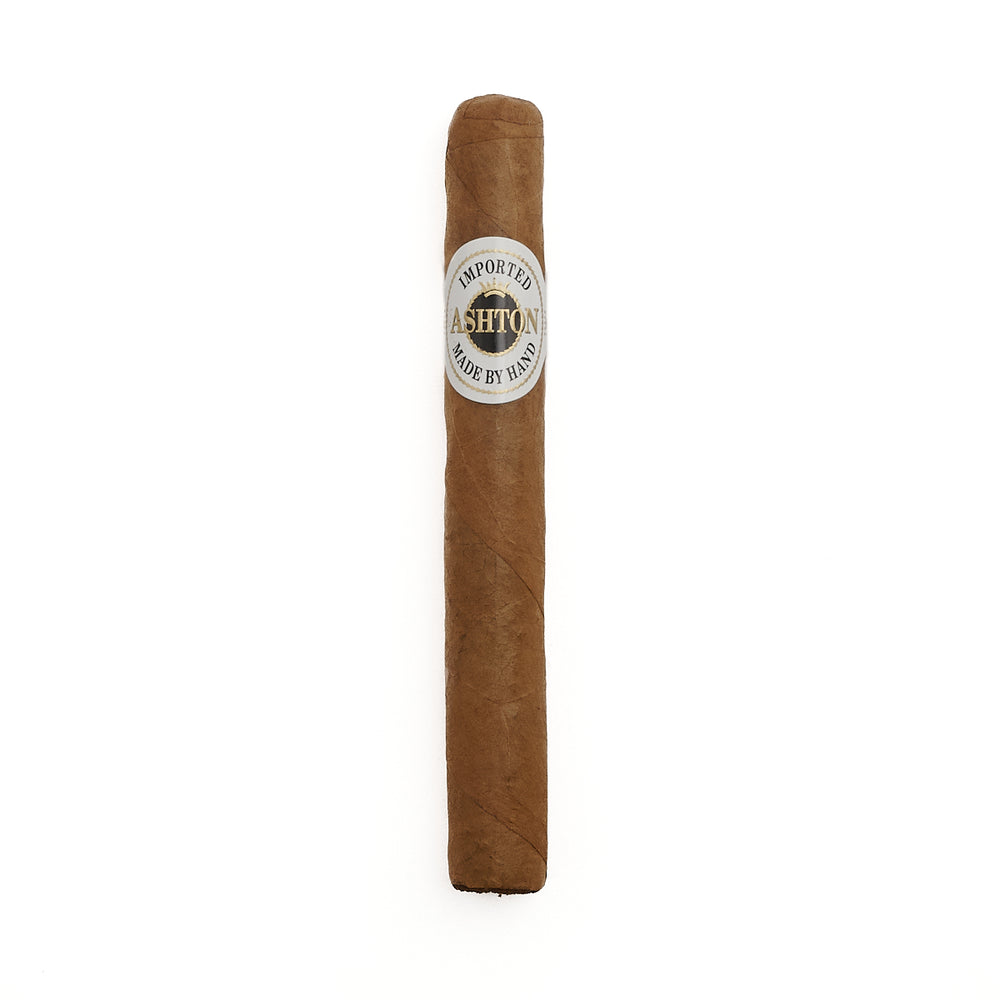
A wrinkled wrapper is not always a serious problem. Since tobacco is a natural leaf, some texture and veins are normal.
However, heavy wrinkling, cracks, or lifting seams may be signs of humidity issues.
Verdict: Usually harmless and mostly visual, unless the wrapper is cracked, peeling, or damaged.
Final Thoughts
Not every imperfection means a cigar is bad. Small veins, color changes, or light texture are common in handmade cigars.
The main issues to watch for are mold, major cracks, tight draws, soft spots, and serious burn problems. By understanding these defects, you can better judge cigar quality, storage condition, and construction before lighting.