




Is Your Cigar Too Dry? Signs, Causes & Storage Mistakes to Avoid

That faint crackle when you pick up a cigar can be the first sign that something has changed.
Cigars are made from carefully selected tobacco leaves, and those leaves naturally respond to the environment around them. When a cigar loses too much moisture, its wrapper, texture, aroma, and overall construction can begin to change.
A dry cigar does not necessarily look dramatically different at first. Sometimes the signs are subtle, which is why understanding what dryness looks and feels like can help cigar collectors recognize storage problems before they affect an entire collection.
What Happens When a Cigar Becomes Too Dry?
A cigar is made from several layers of tobacco, including the filler, binder, and outer wrapper. When moisture levels change significantly, each of these components can react differently.
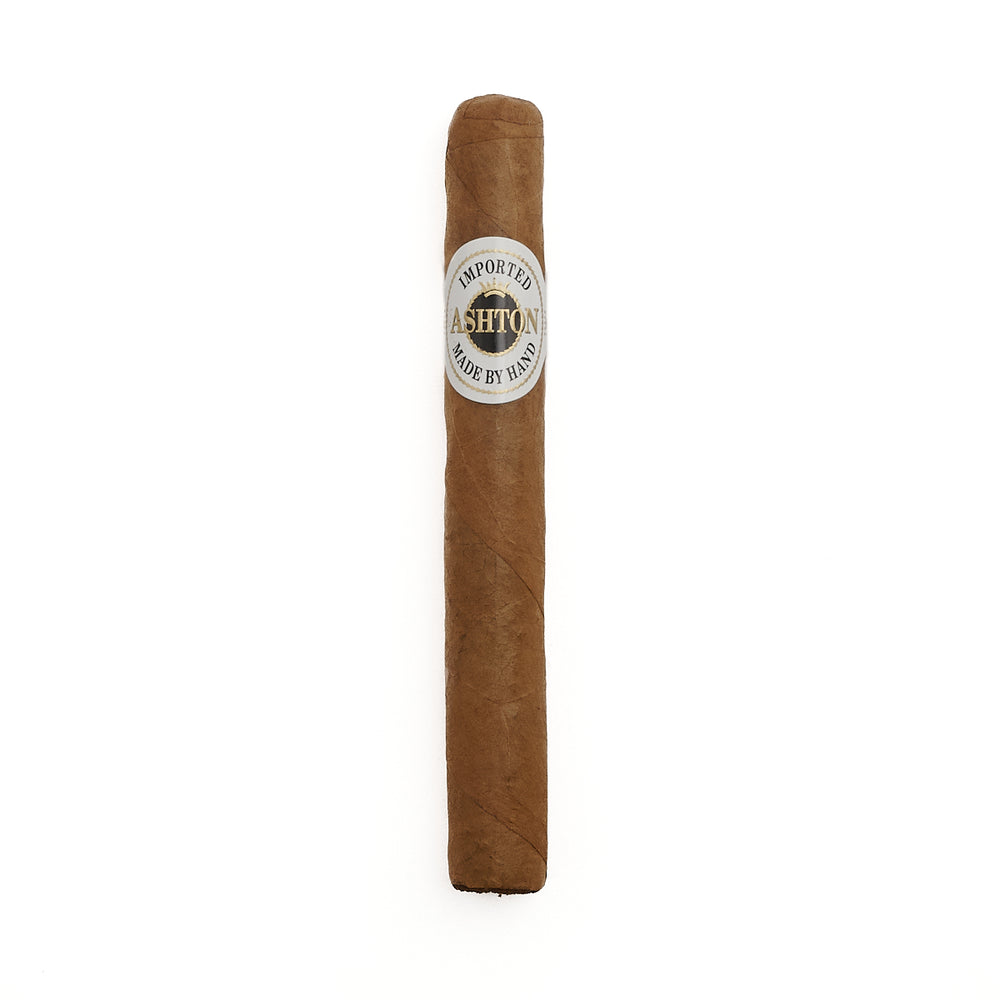
The wrapper is often where dryness becomes most noticeable. It may feel more fragile than usual, develop small cracks, or lose some of its natural flexibility. In more severe cases, the wrapper may begin separating or breaking. A cigar that has been stored in unsuitable conditions for a long period may also experience changes to its aroma and overall character.
The exact result can vary depending on the tobacco, construction, age, and how long the cigar has been exposed to unfavorable conditions.
How Can You Tell If a Cigar Is Dry?
There is no single visual sign that applies to every cigar, but several characteristics can indicate that moisture has been lost.
A dry cigar may feel unusually firm or brittle compared with others from the same collection. The wrapper may appear less flexible, and small surface cracks can sometimes become visible. Aroma may also seem less noticeable than expected.
However, appearance alone does not always tell the full story. Different wrappers naturally have different textures, colors, and levels of surface oil, so comparing the cigar with others from the same box or collection can provide better context.
Why Do Cigars Dry Out?
Environmental conditions are usually the biggest factor. Changes in humidity, prolonged exposure to dry indoor air, improper storage, damaged packaging, or extended periods outside controlled storage can all influence the tobacco. Seasonal changes can matter as well. Indoor heating and air-conditioning can dramatically alter the surrounding environment even when the room itself feels comfortable.
This is one reason cigar storage is often discussed as part of long-term collection care rather than simply packaging.
Can Every Dry Cigar Be Recovered?
Not necessarily. The condition of the wrapper, how long the cigar has been dry, its original construction, and the severity of the moisture loss can all affect whether the cigar remains structurally intact. Once tobacco has become extremely brittle or the wrapper has suffered significant damage, returning it to its previous condition may not be realistic. For valuable, vintage, or limited cigars, seeking guidance from the manufacturer or an experienced professional is generally preferable to experimenting with the cigar yourself.
Watch for Wrapper Damage
One of the clearest concerns with excessive dryness is wrapper damage. Small cracks may remain cosmetic, but larger splits can affect the cigar's overall construction. Because the wrapper helps hold the cigar together, deterioration in this layer can eventually cause further structural problems. Collectors should also distinguish dryness from other storage problems. Mold, unusual odors, staining, or visible contamination are different issues and should not automatically be treated as simple moisture loss.
Prevention Matters More Than Correction
For collectors, preventing major environmental swings is generally more useful than attempting to deal with damage afterward. Keeping track of storage conditions and periodically inspecting a collection can make it easier to notice changes early. For expensive or limited-production cigars in particular, consistent storage conditions help protect the craftsmanship, tobacco, and presentation that went into the original product.
A Note on Tobacco
Cigars are tobacco products and contain nicotine. The CDC states that cigar smoke contains toxic and cancer-causing chemicals, while the FDA notes that cigars are not a safe alternative to cigarettes.
For additional information about the health effects of cigar and tobacco use, readers can refer to the CDC's cigar information and the FDA's tobacco health resources.
Final Thoughts
A dry cigar is often a sign that its surrounding environment has changed. Brittle tobacco, reduced flexibility, wrapper cracks, and changes in aroma can all indicate excessive moisture loss. Recognizing these signs early can help collectors better understand the condition of their cigars and avoid similar storage problems across the rest of a collection. When dealing with valuable or significantly damaged cigars, professional guidance is usually the safest approach.