




How Far Should You Cut? Understanding the Cigar Cap

A cigar’s cut may seem like a small detail, but it can influence the draw, construction, and overall presentation. Cutting too deeply may damage the wrapper and cause the cigar to unravel, while an uneven cut can affect airflow.
Understanding the Cap
The cap is a small piece of tobacco placed over the closed end of a cigar. Its purpose is to keep the wrapper securely in place and protect the cigar’s construction.
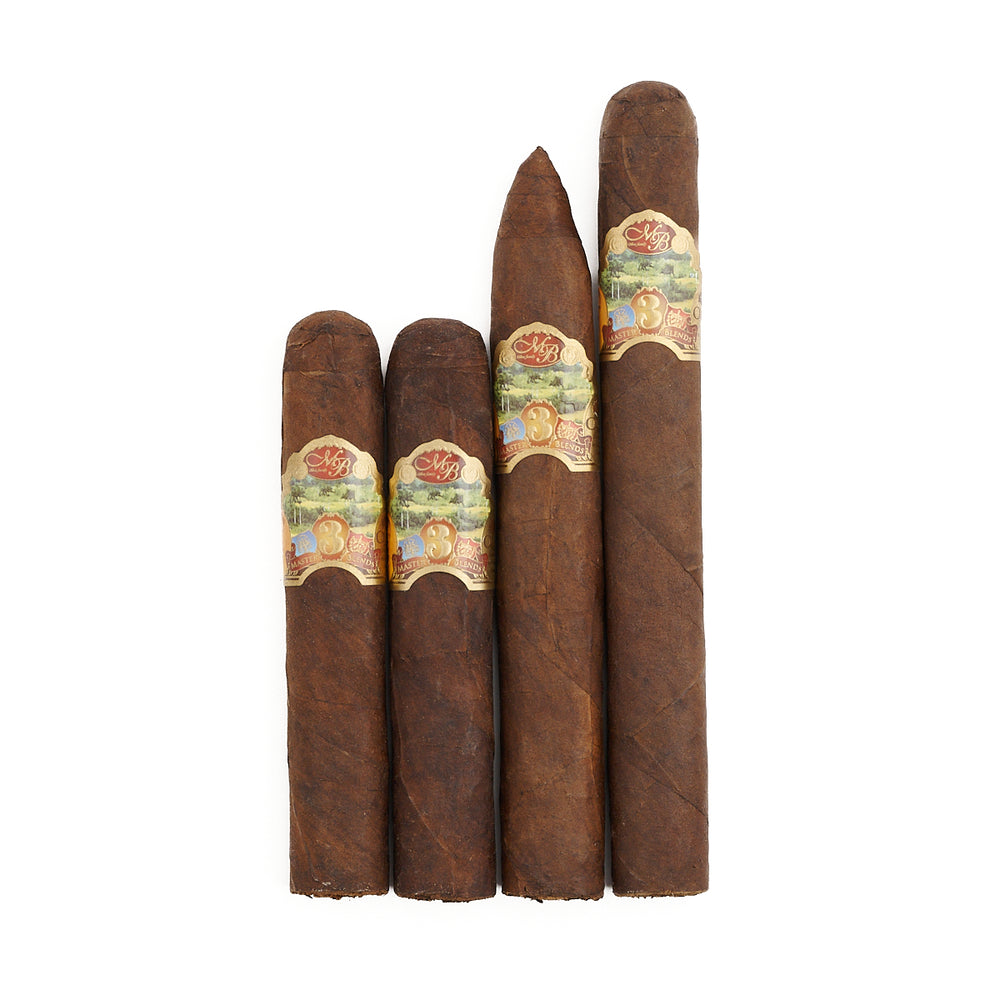
Because cigar shapes and cap styles can vary, there is no single cutting approach that suits every cigar. Traditional rounded cigars, torpedoes, and figurados may each require different consideration.
Why Cutting Too Deeply Can Be a Problem
Removing too much of the cap may weaken the wrapper and cause it to loosen. This can affect the cigar’s appearance, draw, and structural integrity.
A careful cut should preserve as much of the original construction as possible. When uncertain, guidance from the manufacturer or an experienced tobacconist is recommended.
The Cutter Also Matters
Different cutters create different openings:
-
A Straight Cutter: Creates a wide opening, allowing more airflow and producing a freer, more open draw.

-
A V-Cutter: Creates a deep, angled groove that focuses the airflow while keeping more of the cigar cap intact.

-
A Punch Cutter: Removes a small circular section from the cap, creating a compact opening and a more concentrated draw.

The most suitable cutter often depends on the cigar’s shape, ring gauge, and overall construction. Larger cigars may benefit from a wider opening, while tapered or uniquely shaped cigars may require a cut that better follows their design. The goal is to preserve the wrapper and cap while creating a clean, balanced opening.
Common Mistakes to Avoid
One of the most common mistakes is removing too much of the cap at once. Cutting beyond the cap line can weaken the wrapper and increase the chance of the cigar beginning to unravel. An uneven or poorly positioned cut may also affect airflow and make the cigar feel less consistent.
Other frequent issues include using a dull or damaged cutter, applying uneven pressure, and making several repeated cuts in an attempt to correct the first one. These actions can crush or tear the tobacco rather than producing a clean opening. Rushing the process may also damage the cigar’s shape and overall presentation.
A clean, sharp, and well-maintained cutter helps protect the wrapper and produces a neater, more consistent result. Taking a moment to examine the cigar’s cap and shape beforehand can also help prevent unnecessary damage.
Final Thoughts
The ideal cut should respect the cigar’s original construction. Rather than focusing only on how much to remove, consider the cap design, cigar shape, and type of cutter being used.
When handled carefully, the cut helps preserve the cigar’s structure and presentation from beginning to end.